The term advocate has been misused and somewhat diluted because of the NDIS. Many people call themselves advocates and believe it gives them the right to stand on a soapbox and express their own views.
Whilst being a systemic advocate does mean you elevate the views of your community, we must always be clear when expressing our own opinions as distinct from those of the community. Being an advocate is something I have always believed in and something that every HSD (Human Services Disability) support worker should always do. Whether we are in the hospital protecting choices or helping people meet their goals, we are cheerleaders and advocates every step of the way. We must speak for, but never instead of, our participants. We must know them well enough so that, when needed, we can elevate their voice and not our own in their place. It is delicate. It is sacred. And, first and foremost, it is a position of trust.
In addition, when we advocate for those who need our help, we must ensure that we maintain dialogue and never get bogged down in muddy waters. We open doors; we do not close them. I have personally provided over two million dollars’ worth of advocacy over the past few years in my own time. My advocacy is limited, and due to time constraints, I can only take very few cases.
This is something I wish to see continue in our community, but with a larger team of highly knowledgeable advocates backed by the Sociocracy Council. Either the advocates get behind individuals or issues that we wish together as a community to address. I am so excited about this because truly elevating the voices of everyday people is one of the things I wanted to accomplish on my bucket list.
I would like to see some issues elevated, and we will push them as a group:
- A Ulysses agreement on a life care plan that legally protects the wishes and needs of a person with a disability. The closest we have is an Advance Care Directive, which is sadly not appropriate for someone with a disability, as they are not palliative.
- I would like to see housing change so someone with a disability has some ownership and security over their home.
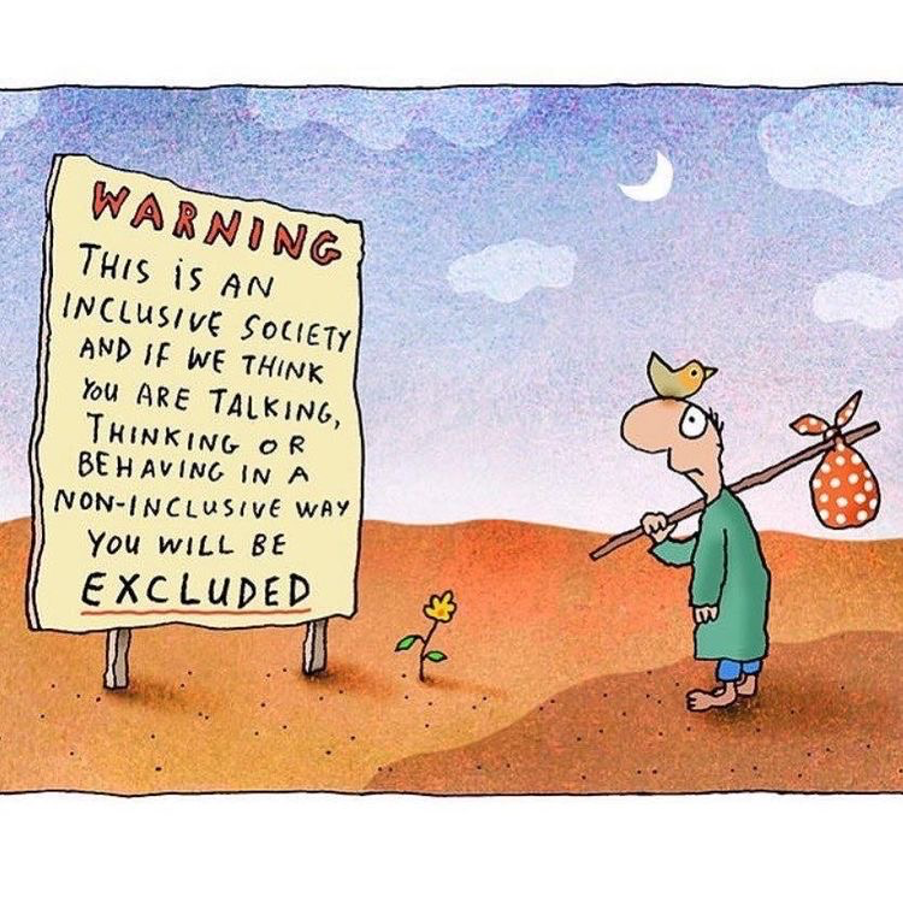
- It is essential to see the voices of everyday people elevated beyond some of the rhetoric from certain disability representative organisations that have excluded whole groups within the sector.
- A Health Equality Bill that ensures all people receive equal medical care and have access to accessible hospitals.
- All healthcare procedures to be accessible.
- An end to lateral violence within the sector, including toxicity amongst and towards support staff—a change in culture.
- People should be able to take their care for granted, live their lives beyond it, and aspire to have hopes, dreams, and enterprise.
- To see an international standard applied to providers that ensures the quality of care, not just the quality of paperwork.
- To change the business model of social care to one that enables people with disabilities to act independently.
- Competency to end unnecessary comorbidities.
- Inclusion of people over 65.
- Elevate and professionalise the support worker role.
If there are systemic issues you feel are worthy of attention and you want to help, please feel free to contact me.