The NDIS’s mantra is self-determination, choice, and control for individuals. However, to make this mantra more than words, we need a clear vision to avoid confusion and disappointment.
First, we must understand choice, control, and self-determination. It isn’t about making demands within the constraints of limited choices but about being the captain of your destiny.
Society and the government must move beyond outdated beliefs and empower people to live fulfilling lives without relying solely on traditional institutionalised care systems.
When self-determination is only seen as a means of satisfying bureaucratic needs, we overlook its true importance. It is not an ideology or a tick-box mantra. Understanding and employing self-determination as a key skill is essential for fostering independence and a vibrant life.
However, for self-determination to lead to inclusion and freedom of outcomes with new possibilities in life, we must free people from the burdens of care and the curse of low expectations. How can we achieve anything if care doesn’t even allow us to get out of bed? Or if expectations are only about outcomes related to care and not the choices we make outside of NDIS, outside of care, about our lives?
Sadly, many people with disabilities are denied the skill of self-determination due to low societal expectations, where success is measured by what they receive in their plans instead of their achievements, by what they have rather than what they can do or accomplish. Self-determination and choice and control become about food choices or cushion choices or which support worker—rather than stepping outside that very small box of possibilities. That, to me, is the saddest loss from the NDIS failures: that we are still talking about care and plans and not enough about lives.
This is basically treating us like children. It limits growth and prevents people from living independently and pursuing their goals. Everyone has the right to share their dreams and work towards a better future, rather than being restricted by what the government can offer or what people believe.
People with disabilities are not a different species; they are just people who have a disability. While we, as a society, should look after people, it doesn’t mean they are not full members of the community as equal citizens with mutual obligations. Some will be able to achieve financial independence—and many already do. Some will be innovative, and some, by their contribution to our community, will be included as equals by their path. Every contribution is valid, and no one should be written off as a non-contributor or have that written into societal expectations, as has become the case. We are a diverse community, and what is true for one is not true for all—just like everyone else. Everyone is an equal member of our community, whether they contribute as an excellent friend, as a peer advocate, as a new entrepreneur, or as an employee. The ability and worth of contribution have no limitations—only those we have imposed on others.
People with disabilities commit fraud, they marry, they have kids, they participate in the community. During the NDIS reform, some rejected it when honest discussions about the facts of NDIS exploitation disclosed actions by a few participants. I believe that holding people with disabilities in such a light is insulting and discriminatory. We are part of the community, and we are capable of all the things everyone else is. So, we can self-determine our own lives and own that process and its outcomes—just like everyone else.
Like everyone else, individuals should be able to dream, strive, and learn from failure as they discover their strengths and what success means for them. To be regarded as just like everyone else—a human being with faults—is essential because this is an essential ingredient of genuine opportunity and inclusion.
While the government should help ensure basic needs are met, it is equally important to support individuals in pursuing their dreams and giving them a fair chance to achieve their goals. However big or however small, they are all valid and play a vital part in the fabric that weaves into the tapestry that makes up the bigger picture we call humanity. It needs all of us.
Our village is the mechanism designed to change expectations and to place that ownership of decision-making into the hands of those it concerns. Rather than being granted voices, we will have a voice as active contributors and stakeholders of the solution. We don’t just need a seat at the table when others let us in; we need to own a part of that table so we can never again be ignored.
Masters of our destiny as a community, we drive the future, and we create new beliefs and new stereotypes of being innovative and united. We will gain, through our work, the credibility to speak with purpose—with the weight of achievements making it impossible to ignore us.
To change the paternalistic paradigm of the governmental benefactor and dictator of outcomes, to change society’s low expectations, and to place however big a piece of real control, choice, and self-determination that we can into our lives and into the hearts and minds of all Australians.
The NDIS is simply not sustainable as it stands, and I believe only united as a community working together—and only if we can explore modern sustainable business models—can we not only save it but realise a vision greater than was first imagined: our own.
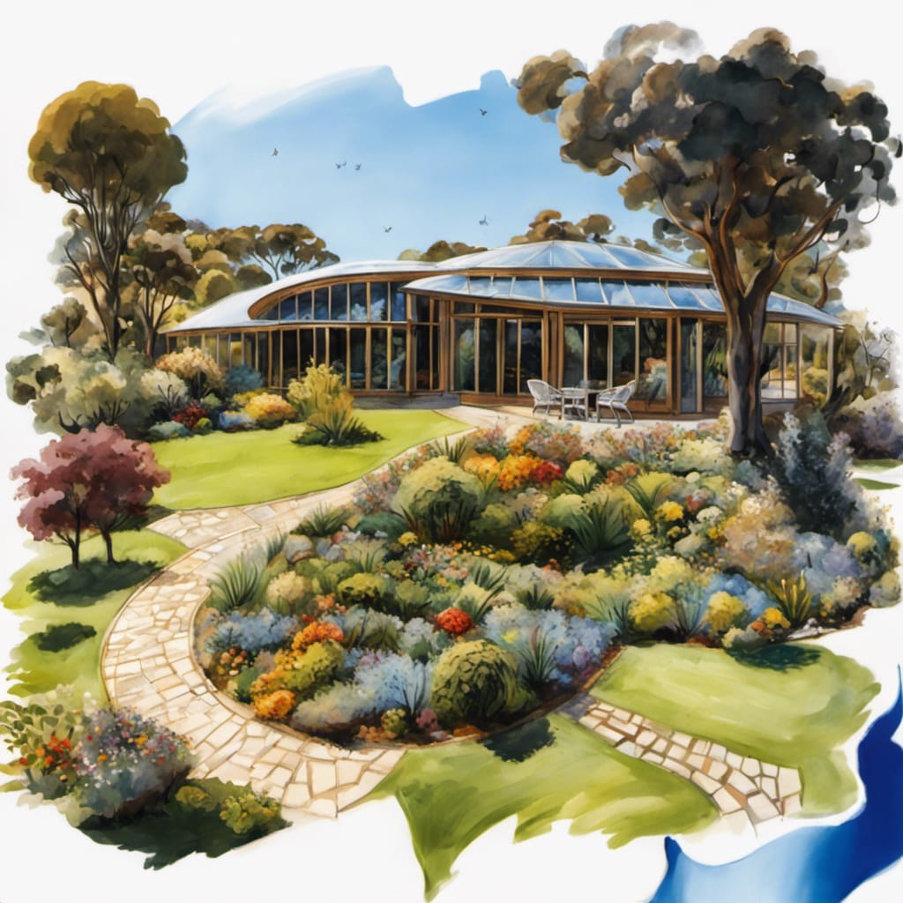
Our innovative village is designed to be a micro economy that creates revenue through a core business and is a profit-for-purpose intentional community. It is a community encompassing an array of vital services that enrich both village members and the broader community.
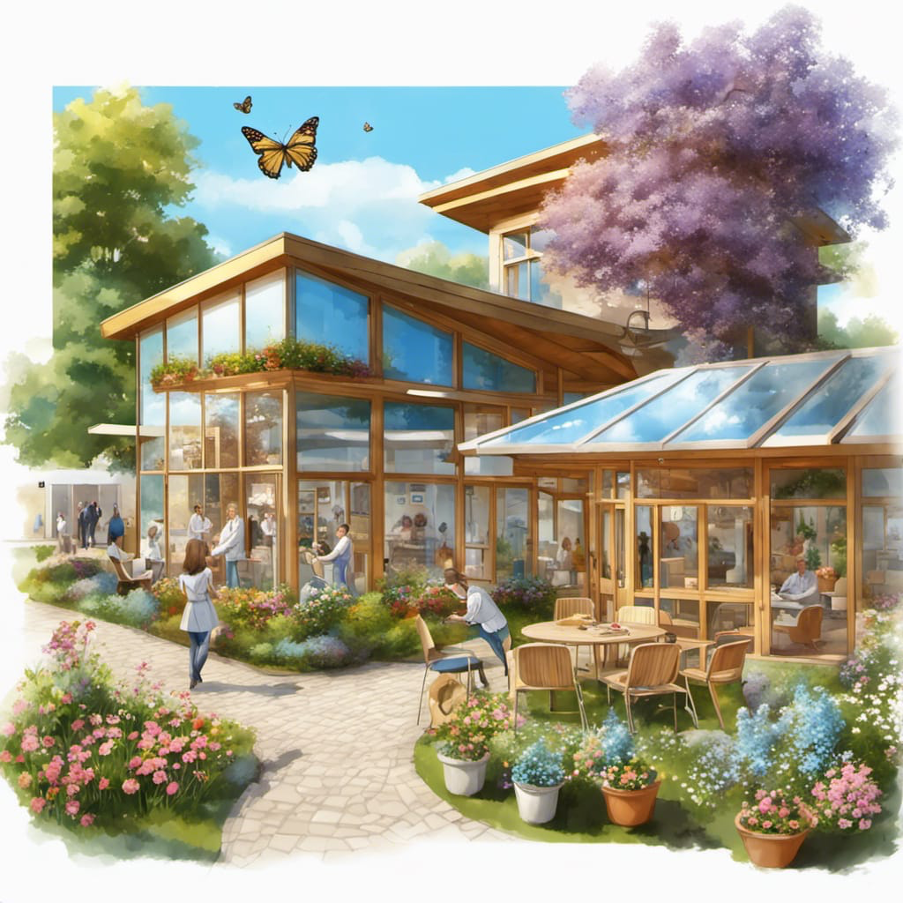
We plan to establish a palliative care unit, an accessible medical centre, and dedicated advocacy and crisis intervention services. Additionally, our community will feature a delightful restaurant and café, offer assistive technology, maintenance, and provide essential medical supplies alongside various allied health services.
Amongst our accessible facilities is a hairdresser and childcare services, to ensure everyone feels included. If you have ideas of what would be good to include in the village, please email me—I am truly keen for input.
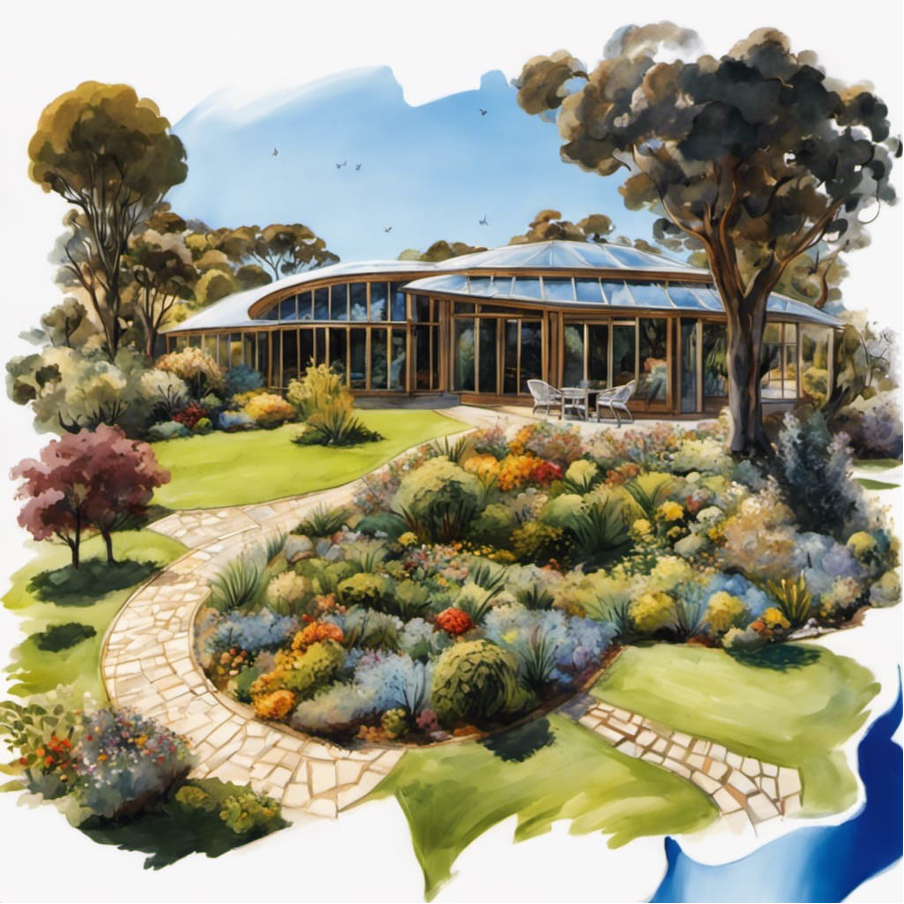
Housing options include charming homes or pods available for lease through a housing trust or for affordable purchase. Surrounding the village, we will promote social housing and develop communal gardens that celebrate local wildlife. Our residences will prioritise sustainability and renewable energy, with a long-term vision of providing homes under a 99-year government lease and options for outright purchase.
We are seeking new ways to provide housing, with the primary focus on our community members feeling that they have their own home that is secure and separate from the care. We are still working on this with the government, so fingers crossed. Some of the accommodation will be SIL, but barring actual ownership of their home, the focus remains that it will still be their home. There will be a choice between singular and multiple shared options for those who choose that or wish to live with a friend.
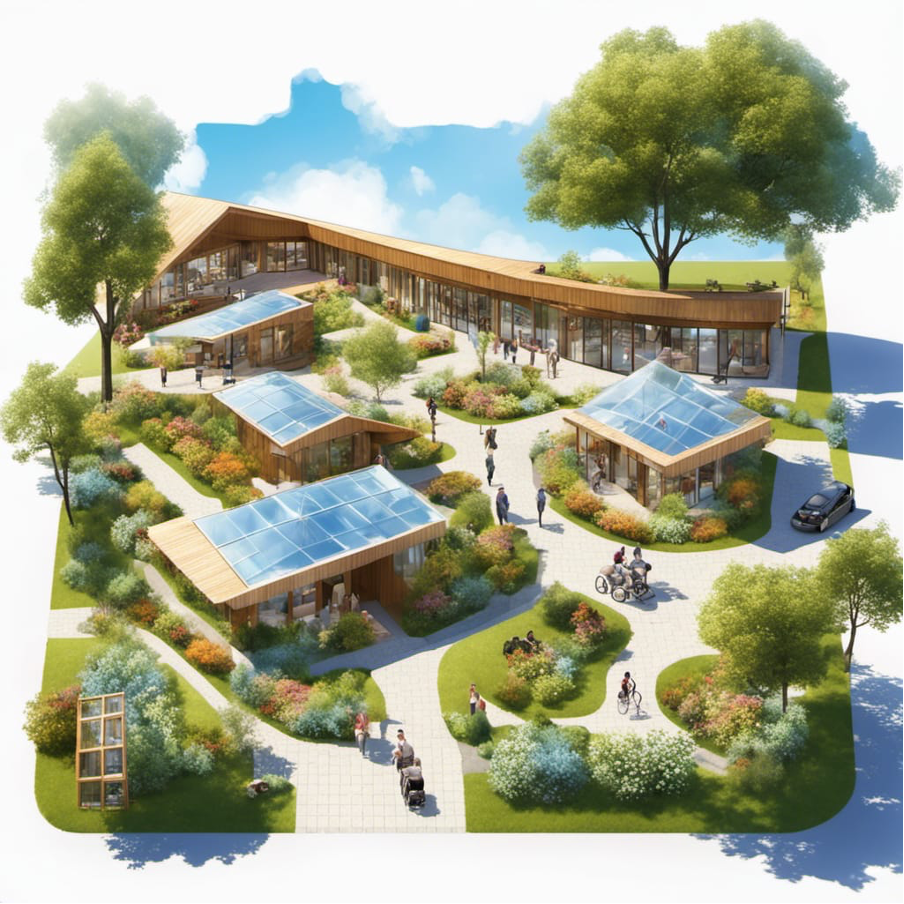
Our dedicated staff will receive ongoing training and career advancement opportunities, supported enthusiastically by volunteers from work placement programs. A unique barter system will further encourage skill-sharing and foster strong community ties. We also support participants attending training so they are the best informed they can be.
We warmly invite everyone to join our exciting social enterprise program, designed to equip participants with invaluable business skills and support in launching their own ventures. Each village will have the flexibility to cultivate its core enterprise or collaborate on broader initiatives tailored to community needs. Possible ventures include frozen foods specifically catering to individuals with dysphagia, palliative comfort meals, and the production of CBD oil. We wholeheartedly encourage volunteering to boost self-esteem and strengthen the sense of community.
Our volunteering options are not only within the community and vary significantly with roles, but also outside the community and on special projects, including wildlife rescue, assisting people experiencing homelessness, and any other ideas or initiatives from within the community.
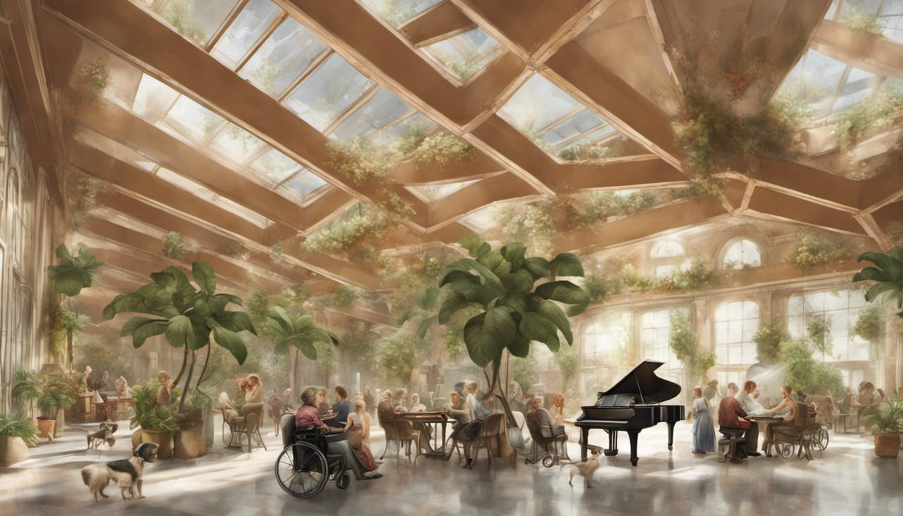
Together, we can create a dynamic social enterprise ecosystem that addresses community needs and uplifts everyone. Opportunities for workforce participation will thrive through enterprise development and meaningful volunteer experiences that enrich our vibrant community.
The current software platforms for NDIS providers are limited and do not align with the modern care model, emphasising greater participant inclusion and input. These platforms fail to support a model of supported decision-making. Furthermore, existing guardianship legislation is costly, and guardians are often overworked, making it difficult to provide comprehensive personal care for every individual. Guardianship may be unnecessary if the system includes a strong, supported decision-making framework. Unfortunately, safeguards and practice standards have not adequately addressed these challenges, allowing us to create our system.
Additionally, protecting both participants and providers is challenging due to the lack of available information about participants and the insufficient training for support staff. There is a significant mismatch in competencies, and based on our trials, the current system would not pass scrutiny under insurance tests. Negligence is more likely to occur because staff are untrained, especially since many NDIS participants lack capacity, which exists on a spectrum.
Our proposed system can incorporate AI, which is impartial, non-judgmental, and non-discriminatory. No conflict of interest or ulterior motive makes it an excellent tool. While it will never replace the needs or wishes of participants in a person-centred field such as health, it can assist participants and staff in staying on track. This AI mechanism would always provide participants with impartial, well-informed support as a check and balance and an advocate. This would ensure staff honesty, and that all information is provided, illuminating any potential accidental or intentional coercion.
Exciting
We intend to call this system “Ulysses,” after the figure from mythology who knew he would be unable to resist the sirens’ call, so he was strapped to the mast of his ship. This name also resonates with a documented care plan for people with mental illness, which allows them to lay out their own plans during periods of wellness to be followed should they face challenges that prevent them from making optimal decisions.
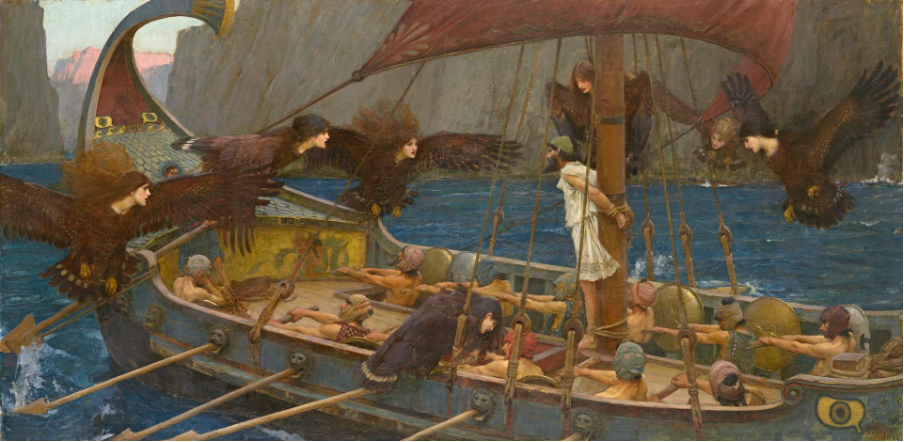
We would like to propose the development of a “Ulysses Bill,” which would serve as a legalised care plan on a national level. We believe this would be a significant step toward safeguarding the rights, care, and choices of individuals with disabilities.
This ethos, embedded within our living system—also called Ulysses—will ensure that our village members and staff can uphold these principles daily.
Just because individuals may struggle with significant decisions doesn’t mean they cannot make any life choices. Current advanced care directives fail to safeguard and solidify participants’ wishes, often placing them in unhelpful and potentially dangerous situations when entering the hospital system, especially. Currently, no mechanism effectively enshrines choice and control in practice; it has become subjective, sometimes leading to dangerous situations. Instead of seeking guardianship in every case, we believe there is a far better solution. AI can provide preventative vital monitoring, reducing the need for constant support staff. It can give individuals a voice and independence while also making rostering easier.
We use a carer journal that staff, carers, and participants can use freely. The digital transformation of this journal into a “captain’s log” makes relevant observations more valuable and accessible. AI has the potential to monitor, safeguard, and compensate/prevent human error while providing information, handovers, companionship, and training. This system is currently in development and will encompass all registration requirements, including strengthening safeguards and addressing gaps often overlooked in the registration process, such as hospital handovers and legalities. Again, current advanced care directives fail to provide adequate safeguarding and don’t solidify participants’ wishes. They often put participants in a palliative corner, which is unhelpful and potentially dangerous when entering the hospital system or the world outside of the NDIS ideological paradigm.
By embedding the Ulysses model into our software, we facilitate unbiased advocacy that is extremely well-informed, consistent, and devoid of ego or conflict of interest. Nothing effectively enshrines choice and control into practice or acts as a guide to determine what choice and control are or when it is appropriate. Ulysses will be able to keep providers on track and provide clear and concise reports to the NDIA, which are more cost-effective and less time-consuming, saving potentially millions of dollars in needless and ineffective paperwork. Ulysses provides a platform encompassing all safeguards with the intuition and knowledge to be the glue and pathway that the system currently lacks. We intend to make it commercially available.
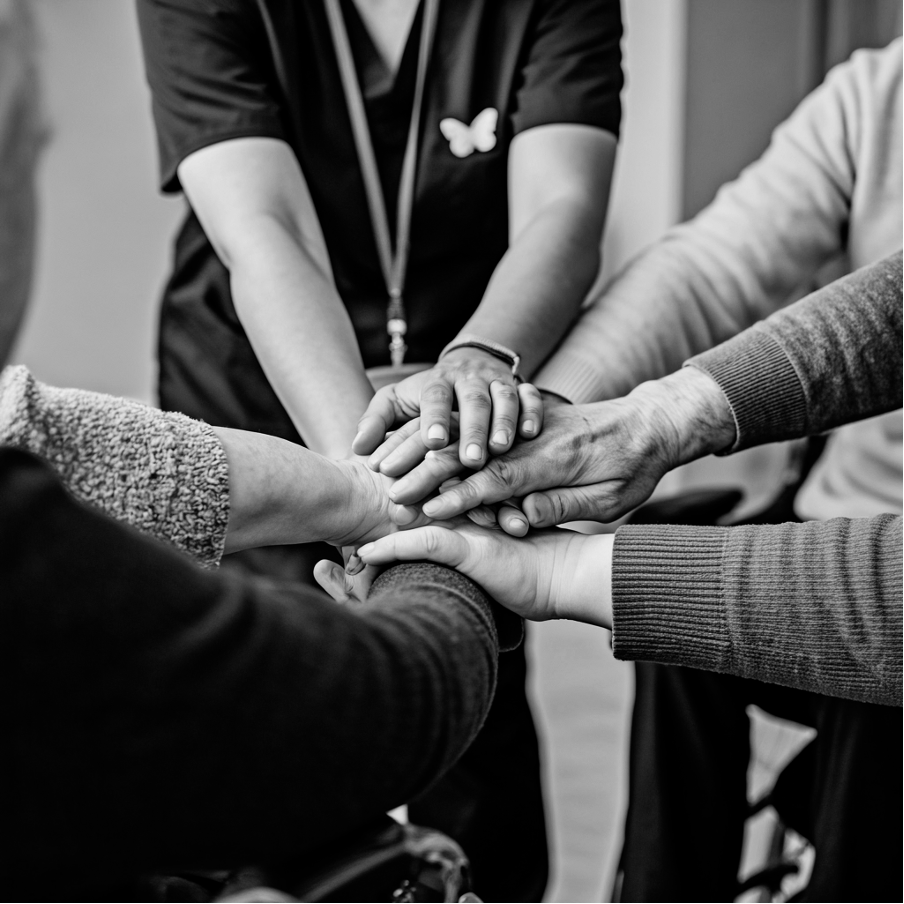
Together as a community, I hope we can create successful environments that support individuals with disabilities and the elderly. We aim to train and professionalise our workforce, forging sustainable care rooted in human rights rather than solely focused on costs. As a united community, we can transform the business model for social care, ensuring that the outcomes for the people it affects are not limited to what the government can afford.
We can make positive changes for all individuals with disabilities and those who are vulnerable and in need of care and sanctuary in a compassionate community that looks out for one another. We can create a model permeating the nation by professionalising and organising a dedicated workforce. This workforce will be trained for the tasks at hand and will recognise the complexity of their roles. Our communities will support families and the broader community while demonstrating compassion, support, and advocacy.
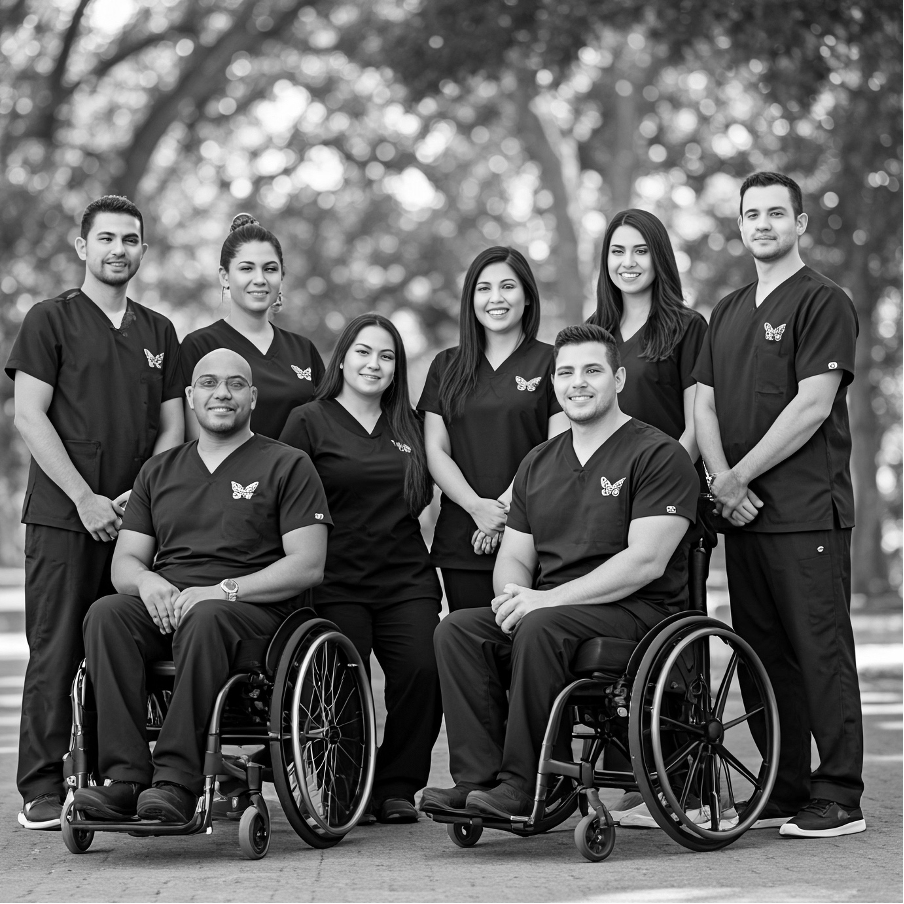
Together, we can free ourselves from the limitations imposed by patriarchal authority, ensuring that the government is not our only source of life outcomes. We can demonstrate how capable a community we are. We can not only professionalise the workforce but also put competency back into care in general. We can give back to the greater community and support each other in a positive, inclusive, and united way. Please make sure everyone’s voice in our community is heard and supported. As a united force, we can project that out into society.
We can safeguard our care for each other and our community and develop a level of respected financial independence and resources that not only protects the outcomes we know we seek but forever protects our place at the table, not as a tick a box but as the essential part of the discussion. There is no escaping that whilst the government holds all the gold, they make the rules. Now we can change that reality. Now that’s not only self-determination, but that’s also power. As a vibrant and united community, we can create thriving environments that empower individuals with disabilities and the elderly. Our mission is to elevate and professionalise our workforce, fostering sustainable care grounded in human rights rather than merely focused on expenses. I firmly believe that together, we can reshape the model for social care, ensuring that the outcomes for those we serve extend far beyond what traditional funding allows.
We have the potential to enact meaningful change for individuals with disabilities and those who are vulnerable, providing them with the care and sanctuary they deserve within a compassionate community that genuinely looks out for one another. By organising and nurturing a dedicated workforce, we can establish a pioneering model that can be emulated nationwide. This workforce will be well-prepared for their vital responsibilities and understand the intricacies of their roles. Our communities will become pillars of support for families and the wider society, exemplifying compassion, advocacy, and solidarity.
Together, we have the power to transcend the limitations historically imposed by external authorities, ensuring that our lives are not dictated solely by government resources. As a community, we can showcase our exceptional capabilities. Not only can we professionalise our workforce, but we can also reinstate a sense of competence and dignity within the field of care. We can contribute positively to the greater community, uplifting each other in a welcoming, inclusive, and unified manner, ensuring that every voice is heard and valued.
We can safeguard our collective well-being by standing together while cultivating a respected form of financial independence and resources. This approach will empower us to achieve the positive outcomes we aspire to and secure our rightful place at the decision-making table—not as an afterthought, but as essential contributors to the dialogue. While it is true that the government currently dictates terms, we are now poised to transform that narrative. Embracing our self-determination is a decisive step towards a brighter future for everyone in our community. Let’s embrace this journey with enthusiasm and purpose!